Ubuntu Testimonials at the National Ubuntu Schools Conference
“We don’t need to know someone to lend them a helping hand. All we need is empathy.”
“Ubuntu doesn’t just touch—it transforms.”
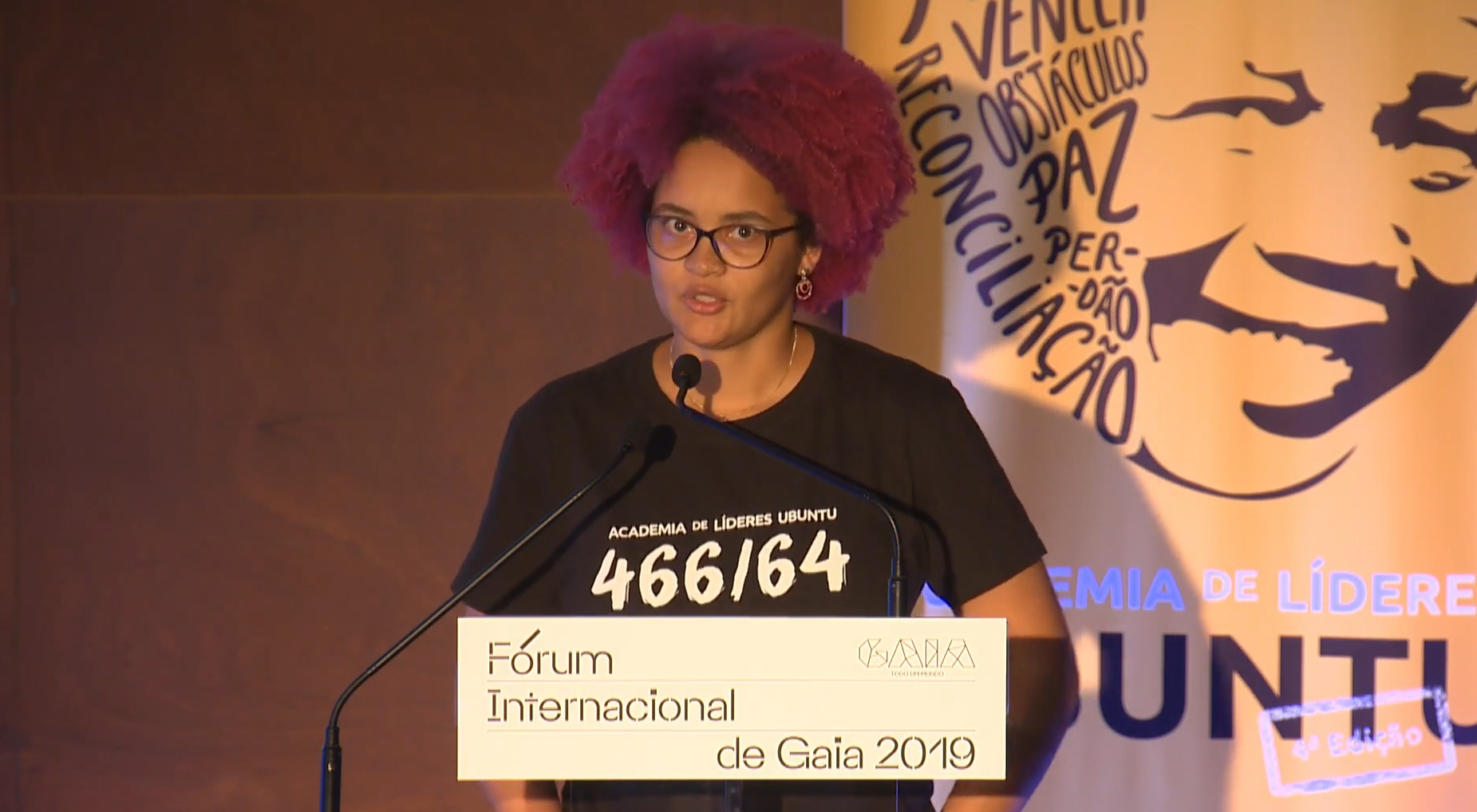
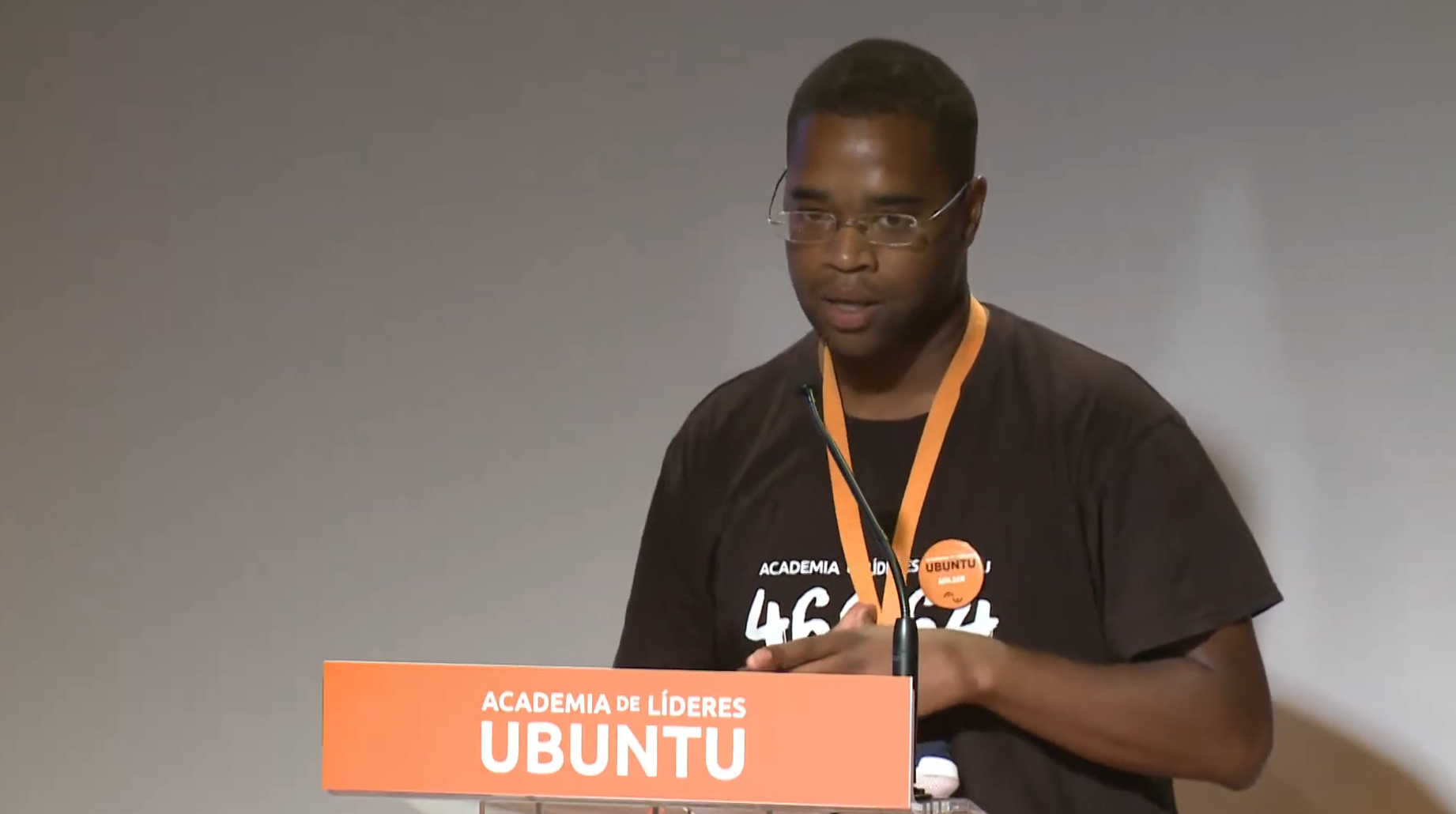
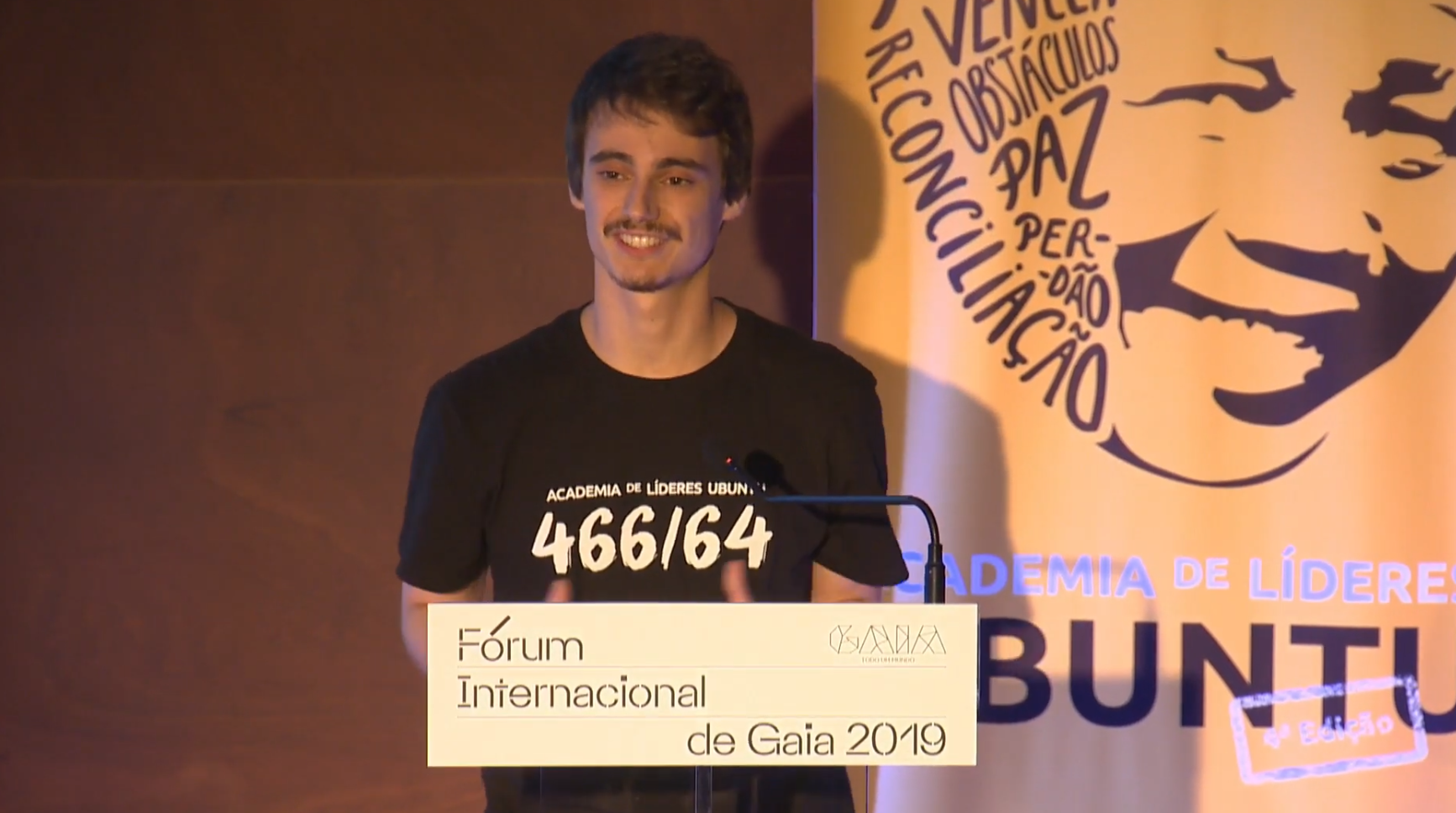
At the 2025 National Ubuntu Schools Conference, held at the Calouste Gulbenkian Foundation, we heard dozens of different voices—students, educators, coordinators, and Ubuntu leaders—united by a shared experience: the transformation they experienced during an Ubuntu Week.
The words changed. The stories were different. But there was one thing that kept coming up: no one is the same after experiencing Ubuntu.
For some, it all started almost by chance.
I have to admit that the idea I liked best was skipping school for a week.
But they quickly realized that Ubuntu Week was much more than just a break from the school routine.
It was a space for discovery, connection, and personal growth.
Matilde Neto, an Ubuntu leader, explained that that week she learned something you rarely learn in school:
We don't learn things to become something in the future. We learn how to be in the present.
He spoke about empathy, resilience, service, and the impact of realizing that we don’t know the inner struggles each person faces.
Ubuntu doesn't just play. It transforms.
Elsa Valério, an educator and Ubuntu leader, also described the experience as a true human awakening.
He particularly recalls a simple gesture: every day, he would hug a student named Maggie, who at first reacted with suspicion and bewilderment.
On the last day, it was Maggie who took the initiative to hug her.
I can still feel the warmth of that hug.
For Elsa, it was at that moment that she realized the true scope of Ubuntu: to build relationships where there had once been distance, fear, or invisibility.
Throughout the testimonies, the idea of belonging came up repeatedly.
Beatriz Gonçalves, an Ubuntu leader, said she entered Ubuntu Week thinking only of herself, feeling uncomfortable and distant from her colleagues.
But something slowly began to change.
I realized that we don't need to know someone to lend them a helping hand. All we need is empathy.
Colleagues became friends. Strangers became a community.
And what started out as just “a week” ended up becoming family.
For Cláudia Duarte, who is now the coordinator of the Ubuntu Leaders Academy in schools, the transformation took place during a particularly difficult time in her life.
She arrived at the gym feeling lost, sad, and adrift.
It was like walking into a magic show.
Through the group activities, discussions, and reflections, she found tools to look at her own history with more hope, process her emotions, and rebuild her self-confidence.
Today, he recognizes in his students the same process of transformation that he himself went through.
Paulo Portugal, an educator and Ubuntu leader, also admits that at first he thought:
Ubuntu? That's totally not my thing.
A rational, organized teacher who was very focused on the curriculum felt disconnected from the emotional and relational aspects of school life.
But the Ubuntu experience forced him to look at the students in a different light.
Interpersonal relationships have come to play a central role in my practice.
Today, he starts each day by asking the students:
How is your heart?
Other testimonies focused primarily on inner discovery.
In it, Jordão described Ubuntu as a place where he discovered self-knowledge, empathy, resilience, and service:
I've discovered that even in the midst of chaos, there's always a light.
Cláudio Soares spoke of his initial fear of failing as an educator and his surprise at discovering that he was capable of creating deeply meaningful experiences for young people.
Ana Crisa Fernandes, for her part, recalled how Ubuntu Week helped her overcome long-standing insecurities and believe in herself:
I realized that I shouldn't be ashamed of who I am.
Marina Lopes spoke about the collective transformation that takes place during Ubuntu Week:
It’s the welcome we extend, the warmth of the heart, and the empathy that develops.
And Iris Santos may have summed up one of the most important insights shared at that meeting:
Ubuntu takes on a different form in each person.
Because each participant experiences the journey in their own way. Some discover courage. Some discover their voice. Some discover purpose. Some discover peace.
But everyone seems to discover something essential: that we truly grow when we learn to look at ourselves and others with more humanity.