Ubuntu Magazine #3 and Digital Literacy: A Gathering to Reflect on the Future of Education
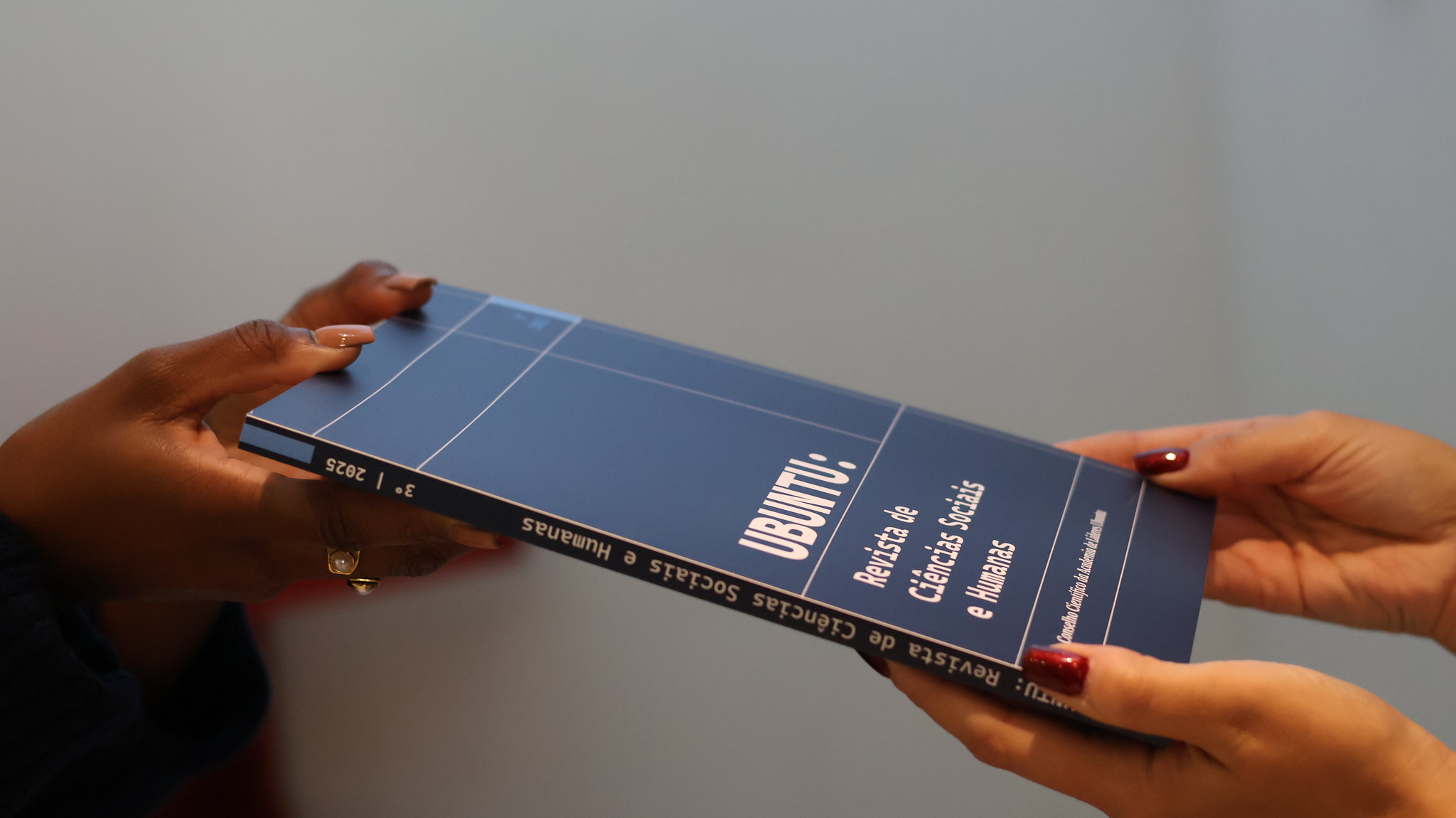
On November 20, the Espinho Multimedia Center hosted the Ubuntu community for an event dedicated to fostering dialogue between science, education, empathy, and digital literacy. The full-day event combined the launch of the 3rd edition of Ubuntu Magazine with the Conference on Digital Literacy with the Ubuntu Contribution, bringing together researchers, educators, school principals, institutional partners, and experts from various fields.
Launch of the 3rd issue of Ubuntu Magazine
The morning session began with opening remarks by Rui Nunes da Silva, President of IPAV, followed by an overview of this year’s event by José Luís Gonçalves and Madalena Alarcão, coordinators of the Scientific Council of the Ubuntu Leaders Academy.
The highlight of the event was a thematic interview on biological markers of empathy with Rui Marques, coordinator of the Relational Lab, and Diana Prata, a neuroscientist and author of the study published in this issue of the journal. The researcher highlighted how the human brain is shaped by relationships and closeness, emphasizing that“the quality of our connections is one of the greatest protective factors for health, happiness, and a fulfilling life.”
This was followed by the panel discussion “Final Reflections on Scientific Work Based on Field Experience,” featuring contributions from Alzira Roso, assistant principal of the Professor Agostinho da Silva School District, and João Trigo, principal of Colégio Efanor, who shared how the Ubuntu method has impacted daily life in their educational communities.
The launch concluded with a closing remark and an invitation to read this new issue, which brings together national and international research on social impact, empathy, social-emotional development, citizenship, and transformative educational methodologies.
The magazine is now available for viewing here.
Conference on Digital Literacy Featuring Ubuntu's Contribution
In the afternoon, the Conference on Digital Literacy took place, beginning with the opening session and a presentation by Cosmin Nada, coordinator of the publication *Recommendations for Promoting Digital Well-Being in Schools*. The researcher discussed the challenges and opportunities involved in fostering a more balanced and healthy relationship between young people, schools, and the digital world.
This was followed by a presentation of the results of the “Digital Literacy with the Ubuntu Contribution” initiative, which was implemented in schools that, over the past year, have explored educational practices that promote digital well-being, empathy, and relational responsibility in the online environment.
The panel discussion “What Does It Mean to Be Digital… and Human?”, moderated by Mariana Reis Barbosa (Portuguese Catholic University), featured Hélder Pais (Directorate-General for Education), Idalina Santos (ICT Competence Center at Universidade Aberta), and Luís Novais (Batalha School District). It was an in-depth discussion that explored the need to cultivate critical, ethical, and humanistic digital skills in a context increasingly marked by algorithms, polarization, and challenges to democratic coexistence.
The conference concluded with a Collective Commitment facilitatedby Rui Nunes da Silva and Rui Marques, emphasizing the importance of continuing to build schools that are digitally competent, safe, mindful, and centered on the dignity of every person.
A Day of Science, Hands-On Activities, and Community
This gathering demonstrated, once again, that the Ubuntu method thrives on the intersection of scientific knowledge, hands-on experience, and a deeply human approach to education.
The third issue of Ubuntu Magazine and the discussion on digital literacy are essential contributions to rethinking—and transforming—education, at a time when nurturing relationships is just as urgent as understanding technology.

.jpg)